Rope Suspension: Why It Takes Training and How Riggers Stay Safe
Discover the beauty and danger of rope suspension as a performance art. Learn how to rig safely and elevate your practice with expert insights.
The Allure of Rope Suspension as a Performance Art
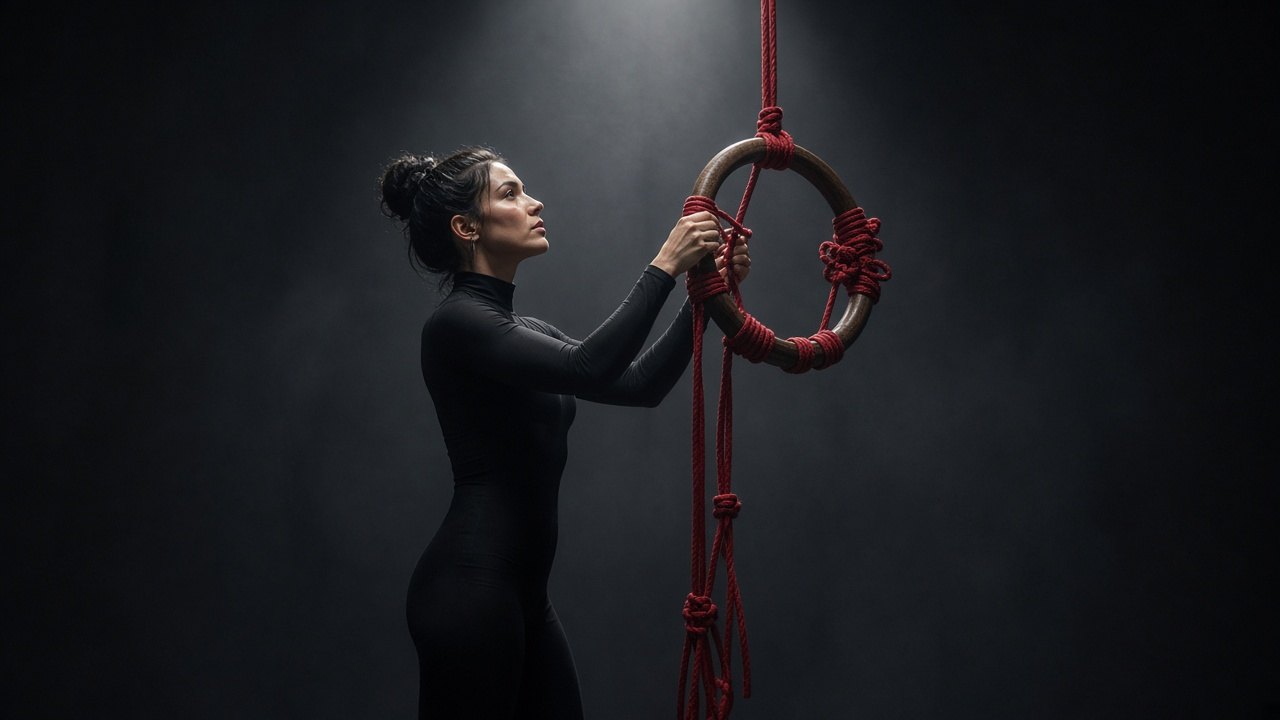
Rope suspension as a performance art represents the pinnacle of aesthetic and physical intimacy within the BDSM community. It is a practice where the body becomes a canvas, and the ropes act as the sculptor's tool, transforming gravity and tension into a display of vulnerability and trust. For many, this practice goes beyond mere bondage; it is a meditative, artistic expression that requires deep connection between the rigger and the person being suspended. When executed correctly, the suspension creates a unique headspace that allows both parties to explore the limits of their physical and emotional endurance.
However, the beauty of this art form is inseparable from the inherent risks involved. Unlike floor-based bondage, suspension introduces the danger of falls, nerve damage, and physiological reactions to gravity. Because of this, mastering rope suspension as a performance art requires a disciplined approach to education, meticulous gear selection, and an unwavering commitment to safety protocols. Whether you are a practitioner looking to refine your technique or an enthusiast interested in the mechanics of the craft, understanding the gravity of these sessions is the first step toward a fulfilling and safe experience.
The Intersection of Aesthetics and Mechanics
At its core, rope suspension is a balance of physics and visual art. The rigger must understand how to distribute the weight of the bottom to prevent injury while ensuring the ropes create beautiful, clean lines on the body. This requires knowledge of anatomy and tension management. Without this, the performance loses its elegance and, more importantly, becomes dangerous. It is essential to study how different knots and hitches interact with human anatomy, particularly around sensitive joints and nerves.
Defining the Performance Space
Creating a safe environment is the first step in treating rope suspension as a performance art. This involves more than just having the right equipment; it involves creating a mental and physical space where both partners feel secure. Negotiation is key here. Every aspect of the suspension—the height, the duration, the style of bondage—must be discussed beforehand. Having a clear scene negotiation and the yes / no / maybe list ensures that both parties are on the same page, allowing the performance to unfold with trust and clarity.
Essential Rigging Safety for Practitioners
Rigging is the technical backbone of any suspension scene. If the gear fails, the consequences can be catastrophic. Therefore, safety is not an option; it is the absolute priority. A rigger must know the breaking strength of their ropes, the load capacity of their hardware, and the structural integrity of their anchor points. This level of technical proficiency is what separates a novice from a skilled practitioner who can safely explore the nuances of rope suspension as a performance art.
Hardware and Equipment Integrity
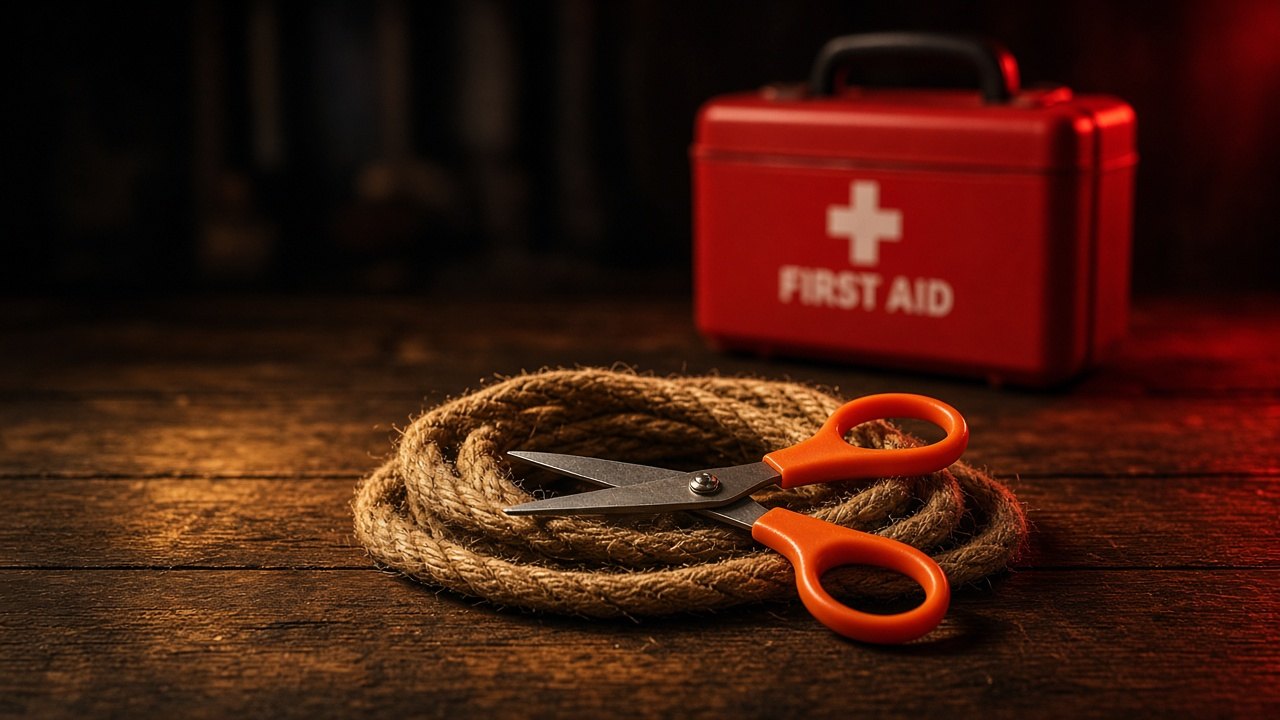
Investing in high-quality, professional-grade equipment is non-negotiable. You should only use ropes designed for suspension, such as jute or hemp that has been properly treated, or specific synthetic ropes that offer the right amount of grip and give. Hardware like carabiners, swivels, and pulleys must be climbing-rated and inspected regularly for micro-fractures. Following rope bondage safety: nerves, circulation and safety shears is vital, as it highlights the necessity of having sharp cutting tools within immediate reach at all times should an emergency arise.
The Anatomy of an Anchor Point
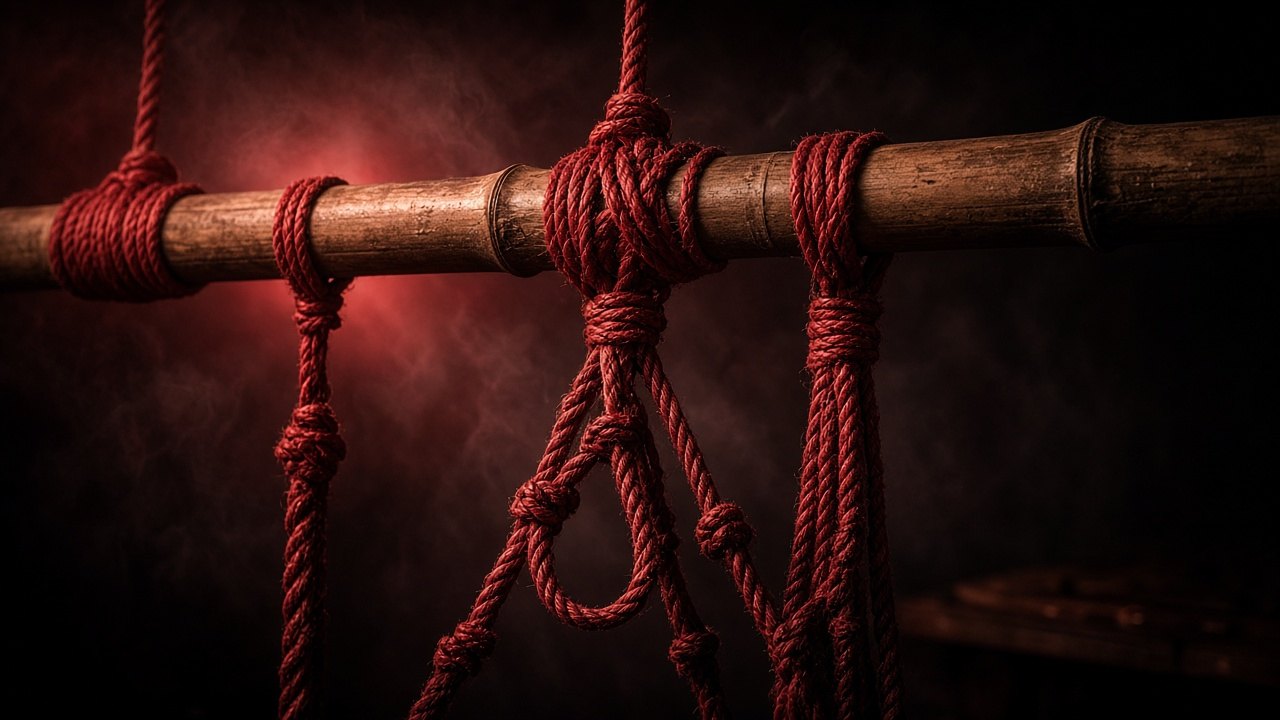
The anchor point is the most critical element of your setup. Many people mistakenly believe that any ceiling beam or pipe will suffice. In reality, you must ensure that your anchor point can support several times the weight of the person being suspended. Dynamic forces—the weight added by movement or sudden shifts—can cause a static load to spike, potentially causing a failure. Always consult with a professional if you are unsure about the structural integrity of your space. For those just starting, exploring resources like bondage for beginners: cuffs, rope and restraints can provide a foundational understanding of how to manage weight and tension before attempting full-body suspension.
Risk Awareness and Physiological Management
Rope suspension as a performance art places significant stress on the body. The rigger must be hyper-aware of the physiological signs of distress. When a body is suspended, blood flow can be restricted, and nerves can be compressed, leading to potential long-term damage if not monitored correctly. Constant communication is required, and the rigger must be able to recognize the subtle cues that indicate the bottom is nearing their limit, even if they haven't explicitly asked to come down.
Recognizing Nerve and Circulatory Risks
Nerve damage is a common, yet preventable, injury in rope suspension. It often occurs when ropes are placed directly over major nerve pathways, such as the radial or ulnar nerves in the arms. To mitigate this risk, riggers should use padding where necessary and ensure that the weight is distributed across larger muscle groups rather than concentrated on joints or nerves. Regular check-ins regarding sensation and circulation are mandatory throughout the duration of the scene.
The Role of Safe Words and Communication
Even in the most artistic performances, safety protocols must remain rigid. Establishing effective safe words in BDSM: traffic lights, gestures and why they matter is essential. In a suspension scene, the bottom may be physically unable to speak if they are experiencing distress, so non-verbal signals are just as important. A rigger should always be watching for signs of panic or physical pain. Remember that SSC vs RACK vs PRICK: BDSM consent frameworks explained provides the necessary context for how to manage these scenes ethically and safely.
Structured Training for Aspiring Riggers
Becoming proficient in rope suspension as a performance art does not happen overnight. It requires years of practice, study, and mentorship. Many successful riggers start by learning to tie themselves or working with a partner on the ground before ever attempting to lift someone off the floor. This methodical approach helps build muscle memory and a deep understanding of knot security and tension dynamics.
Building a Foundation of Knot Craft
Before moving to suspension, one must be able to tie secure knots with their eyes closed. The ability to tie a knot correctly under pressure is a safety requirement. Practice your hitches and tension knots until they are second nature. You can explore the rich history and techniques by visiting shibari and kinbaku: the art of Japanese rope bondage to understand the traditional methods that have informed modern suspension practices.
Progressive Training Techniques
Follow a structured path to build your skills. A potential training progression might look like this:
- Mastering basic knot types and rope maintenance.
- Learning to tie limbs and torsos on a floor-bound partner.
- Understanding weight distribution and the basics of anchor points.
- Practicing "partial suspensions" where the bottom's weight is only partially lifted.
- Transitioning to full, supervised suspensions with a spotter.
The Importance of Aftercare and Recovery
The experience of being suspended is physically and emotionally intense. Once the ropes are cut and the bottom is back on the ground, the work of the rigger is not done. Proper BDSM aftercare: why the scene doesn't end at the safe word is vital to help the bottom transition back to their baseline state. Suspension can cause a rush of endorphins, or conversely, a sense of vulnerability or "drop," so providing a safe space for recovery is essential.
Managing Physical Aftercare
Physically, the bottom may feel sore or bruised. Gentle massage to the areas where the ropes were tight can help stimulate blood flow and release muscle tension. Ensure they are hydrated and comfortable. Check for any signs of rope burn or deep tissue bruising, and provide basic first aid if necessary. The physical recovery is often just as important as the emotional one.
Emotional Support and Processing
Emotional aftercare involves listening to the bottom's experience and providing reassurance. It is a time for connection and grounding. If the bottom experiences sub drop and dom drop: causes, signs and how to cope, offer them a safe place to talk or simply sit with them in silence. This period reinforces the bond of trust between the rigger and the bottom, which is the most critical element in any BDSM dynamic.
Comparison of Suspension Methods
Different styles of suspension offer different levels of intensity and aesthetic appeal. Choosing the right method depends on the experience level of both the rigger and the bottom.
| Suspension Style | Difficulty Level | Primary Benefit |
|---|---|---|
| Single Point | Moderate | Ease of rigging, high mobility |
| Double Point | Hard | Stability, complex patterns |
| Multi-Point | Expert | Maximum control, artistic complexity |
Frequently Asked Questions
What is the most important rule before starting rope suspension?
Consent is the foundation of all BDSM. Before any suspension, you must have an explicit, negotiated agreement with clear boundaries and established safe words.
How do I know if my anchor point is safe?
An anchor point must be professionally rated to hold several times the weight of the person being suspended, plus the dynamic force generated by movement.
Is rope suspension as a performance art physically taxing?
Yes, it puts significant strain on the body. Physical conditioning, regular breaks, and monitoring the person's physical state are mandatory.
How often should I check for nerve damage during suspension?
You must check circulation and nerve sensation constantly. If the bottom complains of numbness, tingling, or pain, you should lower them immediately.
What is the role of the rigger in rope suspension as a performance art?
The rigger is responsible for the technical safety of the setup, continuous monitoring of the rope tension, and the well-being of the bottom throughout the scene.
Conclusion: Elevating Your Practice
Rope suspension as a performance art is a deeply rewarding endeavor that combines technical skill with artistic vision and emotional intimacy. By prioritizing safety, continuous learning, and clear communication, you can create breathtaking scenes that are as safe as they are transformative. Never underestimate the importance of preparation and the responsibility you carry as a rigger. As you grow in your practice, continue to seek out knowledge, respect your limits, and always put the well-being of your partner first.
If you are looking for inspiration for your next session or want to see how professionals handle complex rigging and artistic performance, check out our extensive bondage video library at BDSM Porn Hub. You can also explore our broader range of content by visiting our full list of videos to see how different styles of play can complement your suspension work. Whether you are interested in general BDSM dynamics or more specific techniques, we have the resources to help you take your practice to the next level.
Watch it in action
Free HD videos on the same kinks — handpicked from our BDSM tube.