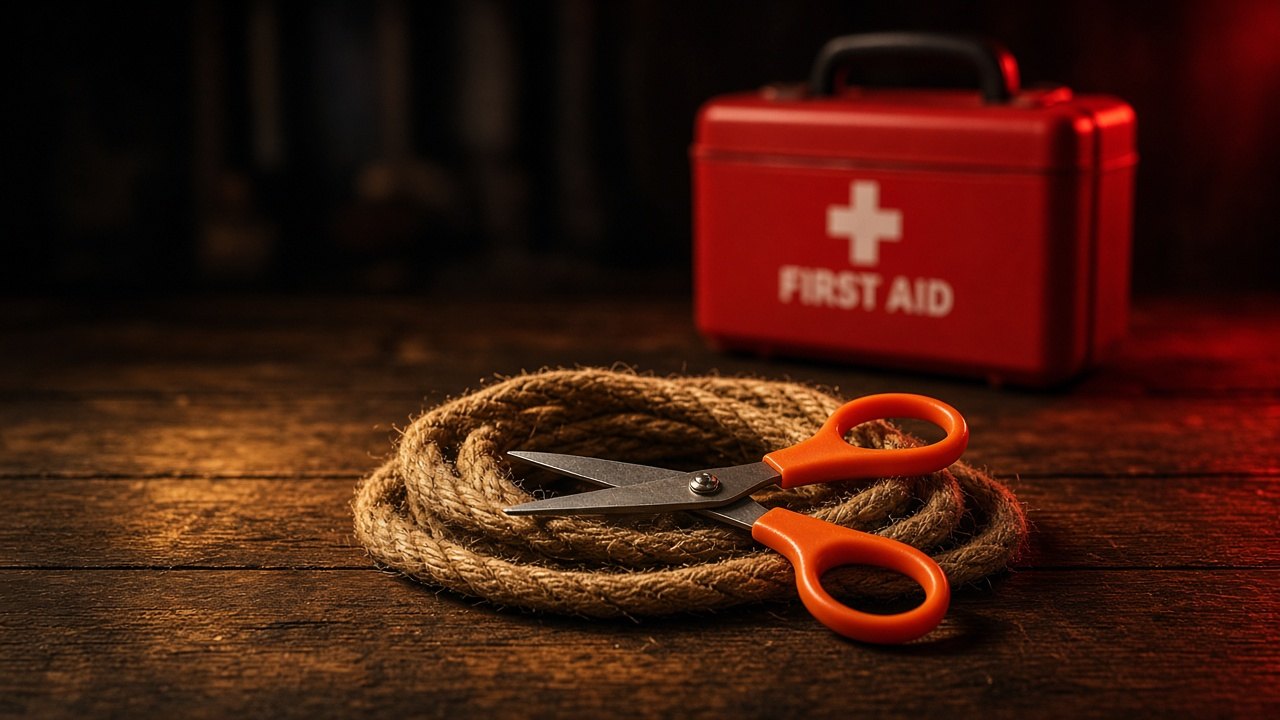
Rope Bondage Safety: Nerves, Circulation and Safety Shears
Master the fundamentals of rope bondage safety, from protecting sensitive nerves and circulation to always having safety shears ready.
Introduction to Rope Bondage Safety
Welcome to the ultimate guide on rope bondage safety: nerves, circulation and safety shears. Within the vibrant landscape of the lifestyle, the aesthetic appeal of intricate hemp and jute ties captures the imagination of dominants and submissives alike. However, behind every breathtaking suspension or mesmerizing floor harness lies a profound responsibility. Restricting a person's movement is an art form that demands respect, vigilance, and an unyielding commitment to physical well-being. Before you explore our extensive video library at Bondage, you must master the fundamental mechanics of keeping your partner safe, comfortable, and securely held.
Safety in rope play is not merely an afterthought; it is the foundational pillar that makes intense sensation play possible. Whether you are exploring dynamic power exchanges rooted in BDSM or crafting elaborate aesthetic patterns, understanding human anatomy is non-negotiable. Every knot applied exerts pressure, and every wrap alters the way blood and neurological signals travel through the body. By prioritizing informed consent, thorough preparation, and continuous monitoring, practitioners can unlock deep levels of trust and surrender without crossing into unnecessary danger.
The Philosophy of Risk-Aware Play
Risk-aware consensual kink, often termed RACK, underpins all advanced rope exploration. In any bondage scenario, the top holds the ultimate duty of care over the bottom. This means that the dominant partner must actively assess risks, monitor non-verbal cues, and remain entirely present throughout the session. Understanding that rope bondage carries inherent physiological risks allows practitioners to mitigate those dangers effectively. Education, open communication, and proper tools transform a potentially hazardous restraint into a safe, deeply rewarding container for emotional and physical exploration. To deepen your understanding of these foundational principles, read our guide on What Is BDSM? A Complete Beginner's Guide to Kink before tying your first knot.
Establishing Pre-Scene Protocols
Before a single meter of rope touches the skin, a comprehensive negotiation must take place. Partners should discuss physical limitations, previous injuries, nerve sensitivities, and psychological triggers. Utilizing a structured approach, such as the insights shared in Scene Negotiation and the Yes / No / Maybe List, helps prevent misunderstandings. Additionally, establishing robust communication channels, including verbal safe words and non-verbal hand gestures detailed in Safe Words in BDSM: Traffic Lights, Gestures and Why They Matter, ensures that the submissive always holds the power to pause or stop the scene instantly if circulation or comfort becomes compromised.
Anatomical Awareness: Protecting Superficial Nerves
When discussing rope bondage safety: nerves, circulation and safety shears, understanding nerve pathways is vital. The human body features numerous superficial nerves that run remarkably close to the skin's surface, particularly around major joints such as the elbows, wrists, knees, and ankles. When a heavy rope wrap passes directly over these vulnerable areas, the pressure can compress the nerve against underlying bone structures. This compression can lead to temporary or, in severe cases, lasting neurological damage known as neuropraxia or radial nerve palsy. Tops must learn to bridge or avoid these danger zones entirely.
Nerve injuries during bondage often manifest as a sharp, burning pain, sudden numbness, or a tingling sensation commonly described as pins and needles. Unlike circulation issues, which change skin color and temperature, nerve impingement can occur while blood flow appears completely normal. This makes visual monitoring insufficient on its own; active verbal check-ins regarding sensation are mandatory. If a bottom reports any unusual neurological symptoms, the rope must be adjusted or removed immediately to allow the nerve to recover its normal function without long-term consequences.
Identifying High-Risk Nerve Zones
Certain anatomical landmarks demand extreme caution during any rope application. The radial nerve traveling around the humerus bone in the upper arm, the ulnar nerve near the inside of the elbow, and the peroneal nerve on the outer side of the knee are particularly susceptible to crush injuries. Wrapping rope tightly across these points without padding or redirection is a severe safety hazard. For beginners looking to build a safe foundation, studying introductory techniques in Bondage for Beginners: Cuffs, Rope and Restraints provides essential knowledge on how to avoid these critical pressure points during standard floor restraints.
Techniques for Nerve Protection
Protecting nerves requires a combination of smart tie placement and anatomical knowledge. Instead of placing a tensioned line directly over a joint, practitioners should anchor the rope above or below the sensitive area. Furthermore, incorporating soft under-garments, leather cuffs, or strategic padding can distribute pressure evenly across a wider surface area. When tying complex artistic patterns, such as those explored in Shibari and Kinbaku: The Art of Japanese Rope Bondage, masters intentionally weave lines to bridge over vulnerable nerve paths, ensuring that aesthetic beauty never compromises the physical health and safety of the model.
Circulatory Dynamics: Blood Flow and Capillary Health
Maintaining healthy blood flow is another critical component of rope bondage safety: nerves, circulation and safety shears. Arteries carry oxygen-rich blood away from the heart to the extremities, while veins return deoxygenated blood back upward against gravity. When rope is wrapped too tightly around limbs or the torso, it can impede this delicate vascular cycle. Arterial restriction prevents oxygen delivery, leading rapidly to cold skin and tissue ischemia, whereas venous restriction causes blood to pool, resulting in swelling, throbbing, and deep discomfort.
Tops must be constantly vigilant about the physiological state of their restrained partners. A routine visual check is simply not enough; tops should actively observe changes in skin coloration, temperature, and swelling. It is also important to remember that physical exertion, temperature fluctuations in the room, and the adrenaline rush of the scene can alter a bottom's blood pressure and heart rate. Regular touch assessments—feeling the warmth of hands and feet—are critical to catching circulatory compromise long before it escalates into an emergency situation during a high-intensity session.
The Capillary Refill Test
One of the most reliable, non-invasive assessment tools available to a rope top is the capillary refill test. To perform this test, firmly press down on the bottom's fingernail or toenail bed until the skin blanches white, then release and count the seconds it takes for the natural pink color to return. A healthy capillary refill time is generally under two seconds. If the color takes three seconds or longer to return, or if the nail beds remain pale and cold, the rope is restricting arterial blood flow and must be loosened or cut immediately.
Swelling and Temperature Monitoring
Restraints naturally cause localized fluid shifts and swelling over time, which means a tie that felt comfortably loose at the beginning of a scene can become dangerously tight after twenty minutes. Tops must account for this phenomenon by initially tying with appropriate slack or regularly checking the distal extremities—fingers and toes—for signs of edema. If the skin around the bindings begins to bulge or turns a purplish-blue hue, venous return is blocked. For deeper insights into managing intense physical and psychological dynamics during extended sessions, review our comprehensive resources on Femdom Sex.
- Always test capillary refill times every ten to fifteen minutes in tight restraints.
- Keep the room at a comfortable temperature to prevent vasoconstriction from cold.
- Ensure fingers and toes remain warm, responsive, and mobile throughout the tie.
- Never apply static, high-tension rope to the neck or throat area.
The Indispensable Role of Safety Shears
No discussion of rope bondage safety: nerves, circulation and safety shears is complete without emphasizing the absolute necessity of specialized cutting tools. When a partner experiences sudden nerve compression, acute panic, or a rapid drop in circulation, untying complex knots is simply too slow. In high-stress moments, fine motor skills degrade rapidly due to adrenaline. Safety shears—specifically medical-grade rescue shears featuring heavy-duty plastic handles and angled, blunt-tipped blades—allow a top to slice through natural or synthetic ropes instantly without risking accidental cuts to the model's skin.
Every practitioner engaging in rope play must keep a pair of safety shears physically on their person, tucked into a waistband or resting within arm's reach on the play surface. Relying on kitchen scissors, pocket knives, or tearing the rope by hand is a dangerous gamble. Knives introduce an unacceptable laceration risk to a bound partner who may twitch or shift unpredictably. Shears provide a controlled, immediate release mechanism that honors the primary rule of kink: safety always supersedes aesthetics, speed, or the preservation of expensive rope.
Choosing the Right Cutting Tools
When building your bondage kit, investing in proper rescue shears is non-negotiable. Look for shears constructed from high-grade stainless steel with serrated lower blades designed to grip and slice through fibrous materials like hemp, jute, cotton, and nylon effortlessly. The blunt tip is crucial because it allows the blade to slide flat against the skin beneath a tight rope without puncturing or scratching the dermis. For a curated list of essential gear and accessories that every responsible practitioner should own, consult our guide on BDSM Starter Kit: 15 Essential Toys for Beginners.
- Purchase medical-grade rescue shears with blunt-tipped, serrated stainless steel blades.
- Test the shears beforehand on scrap rope to ensure they cut cleanly in one smooth motion.
- Store the shears in a designated, easily accessible location known to both partners before play begins.
- Inspect the blades regularly for rust, dullness, or sticky residue from skin oils.
Comparative Overview of Restraint Safety Features
Understanding the physiological impacts of different restraint tools helps practitioners make informed decisions during scene planning. The table below outlines how various constraints interact with nerves, circulation, and emergency removal requirements.
| Restraint Type | Nerve Risk | Circulation Risk | Emergency Removal Method |
|---|---|---|---|
| Jute / Hemp Rope | Moderate to High | Moderate to High | Safety Shears / Untying |
| Leather Cuffs | Low to Moderate | Low | Quick-Release Buckles |
| Metal Shackles | High (if unpadded) | Low to Moderate | Keys / Quick Pins |
| Silicone Tape | Low | High (if wrapped spirally) | Unrolling / Shears |
As illustrated in the comparison table, natural fiber ropes offer incredible versatility and aesthetic depth, but they also require the highest level of active monitoring due to their tendency to tighten when exposed to sweat or body movement. Leather and metal restraints, while featuring mechanical releases, present their own distinct anatomical risks if improperly sized. Balancing these factors ensures that your choice of restraint matches your skill level and your partner's physical tolerances.
Evaluating Material Elasticity
Different rope fibers behave uniquely under tension. Natural fibers like hemp and jute offer low elasticity, meaning they hold their shape and tension firmly once set, but they can tighten if the body swells or shifts. Synthetic fibers like nylon possess high elasticity, stretching under load and then snapping back, which can unexpectedly amplify pressure on nerves and blood vessels. Tops must understand these material science properties before selecting a rope for a complex harness. To explore more dynamic physical disciplines that test endurance and control, visit our specialized section on Spanking & Dominatrix Whipping.
Sanitation and Maintenance
Safety extends beyond immediate physical release; it also encompasses hygiene. Natural fiber ropes absorb sweat, skin oils, and dead skin cells during play, creating a breeding ground for bacteria if left unwashed. Regularly inspecting your ropes for fraying, chemical degradation, or microbial growth prevents skin infections and sudden structural failures during suspension. Clean, well-maintained equipment is a hallmark of an experienced and responsible dominant practitioner.
Psychological Safety: Managing Intensity and Drop
While physical aspects like nerves and circulation dominate safety conversations, psychological safety is equally critical during rope bondage. Being bound immobilizes the body, which can trigger profound feelings of vulnerability, claustrophobia, or emotional release. A skilled dominant maintains a continuous dialogue, reading micro-expressions and vocal tones to gauge the bottom's mental state. Creating a secure container allows the submissive to let go completely, trusting that their physical and emotional boundaries are fiercely protected throughout the encounter.
After the ropes are cut and the scene concludes, the physiological and emotional rollercoaster does not instantly stop. Both tops and bottoms can experience shifts in mood, fatigue, or emotional vulnerability known as sub drop or dom drop. Recognizing these symptoms and implementing structured comforting practices helps stabilize mood and fosters deep intimacy. For expert strategies on navigating these post-scene transitions, read our detailed guide on Sub Drop and Dom Drop: Causes, Signs and How to Cope.
Recognizing Emotional Overload
When a person is tightly restrained, sensory deprivation or sensory overload can occur rapidly. Some bottoms experience euphoria and deep meditative calm, while others may suddenly feel trapped, panicked, or overwhelmed by past traumas surfacing during sensory play. Tops must watch for signs of hyperventilation, sudden crying, or dissociative staring. Having a clear safe word established beforehand ensures that a psychological boundary can be communicated and respected instantly, transforming a moment of distress into an opportunity for reassurance.
- Monitor your partner's breathing rhythm and vocal tone for signs of panic.
- Maintain reassuring physical contact or voice contact throughout the bondage sequence.
- Respect all safe words immediately without hesitation or judgment.
- Allow ample time for gradual decompression once restraints are removed.
The Vital Importance of Aftercare
Aftercare is the essential final phase of any intense BDSM scene, bridging the gap between high-intensity play and baseline reality. Once safety shears have cleared the body of all ropes, partners should engage in gentle nurturing activities such as cuddling, hydration, quiet conversation, and light snacks. This transition helps regulate cortisol levels, stabilizes blood pressure, and reinforces trust between dominant and submissive. To explore the philosophical and practical dimensions of this restorative practice, read our comprehensive article on BDSM Aftercare: Why the Scene Doesn't End at the Safe Word.
Emergency Protocols and Crisis Management
Even with meticulous planning and constant monitoring, unexpected emergencies can occasionally arise during rope play. Understanding rope bondage safety: nerves, circulation and safety shears means preparing for the worst-case scenario so you can react with calm precision. If a partner loses consciousness, experiences a severe drop in blood pressure, or displays signs of acute nerve failure, every second counts. Panic wastes precious time; therefore, rehearsing your emergency response plan mentally before every session is a mark of true maturity in the lifestyle.
The first step in any crisis is immediate intervention using your safety shears to remove all constrictive bindings, followed by repositioning the partner to encourage optimal blood flow and breathing. Tops must remain calm, assess vital signs, and be prepared to call for professional medical assistance if symptoms do not resolve swiftly upon release. Never attempt to untie complex knots when a medical emergency is unfolding; cut the rope instantly and clear the body of all restraints to restore natural physiological functions.
Step-by-Step Emergency Response
When a safety crisis occurs, execute these critical actions without hesitation:
- Call out the partner's name and check for verbal and physical responsiveness immediately.
- Grab your safety shears and slice through the primary tension lines to release pressure.
- Lay the partner flat on their back or recovery position to stabilize blood circulation.
- Monitor breathing and pulse, and contact emergency medical services if recovery is delayed.
Post-Crisis Debriefing and Care
Once the immediate physical danger has passed and the partner has stabilized, emotional care becomes the primary focus. Both dominant and submissive may experience shock, guilt, or anxiety following an emergency. A compassionate debriefing session—conducted once everyone is calm—allows both parties to discuss what happened, evaluate what went wrong, and heal emotionally. For those looking to explore advanced power dynamics and intense psychological play safely, our video collection at Femdom Sex offers professional demonstrations of responsible, consensual dominance.
Frequently Asked Questions
Why are safety shears mandatory for rope bondage?
Safety shears feature a blunt tip designed to slide safely against the skin while instantly cutting through thick rope in an emergency.
How can I tell if a rope is cutting off circulation?
Signs of compromised circulation include cold skin, pale or blue discoloration, numbness, and a delayed capillary refill test beyond two seconds.
What is nerve damage from bondage and how do I prevent it?
Nerve damage occurs when tight rope compresses superficial nerves against bones. Prevent it by avoiding high-risk joints, reducing tension, and padding ties.
How do I establish consent before a bondage scene?
Use a yes, no, maybe checklist, discuss physical health history, and establish clear safe words or non-verbal gestures before tying.
Where can I learn more advanced bondage techniques safely?
You can explore comprehensive instructional materials, read guides like Bondage for Beginners: Cuffs, Rope and Restraints, and watch expert videos.
Conclusion and Watch Related Videos on BDSM Porn Hub
Mastering rope bondage safety: nerves, circulation and safety shears transforms an intimidating physical restraint into a deeply intimate, secure, and exhilarating art form. By respecting anatomical vulnerabilities, monitoring vascular health, keeping rescue shears within arm's reach, and honoring rigorous consent frameworks, you create an environment where passion and trust can flourish without unnecessary risk.
Ready to elevate your knowledge and witness master-level rope artistry in action? Explore our comprehensive video archives, discover expert tutorials, and enrich your lifestyle journey today. Browse our complete library of professional content and watch related videos on BDSM Porn Hub by visiting our video portal and immersing yourself in the world of advanced kink.
Watch it in action
Free HD videos on the same kinks — handpicked from our BDSM tube.